🌍 Global Shifts in Hospitality and Dining
The hospitality industry in 2025 faces a rapidly changing environment. From luxury hotels to fast-casual dining chains, businesses are under pressure to upgrade their tableware to reflect new consumer expectations. Guests are not only looking for aesthetic appeal but also for durability, sustainability, and uniqueness in their dining experience.
For this reason, dinnerware manufacturers play a crucial role in adapting production lines to meet these evolving needs. They must balance design, cost, and large-scale output while aligning with market shifts.
🍽️ Innovation in Materials and Design
One of the most notable trends is the increased demand for sustainable and lightweight materials. Eco-friendly ceramics, melamine blends, and recycled composites are rising in popularity, especially for large hospitality groups seeking long-term solutions.
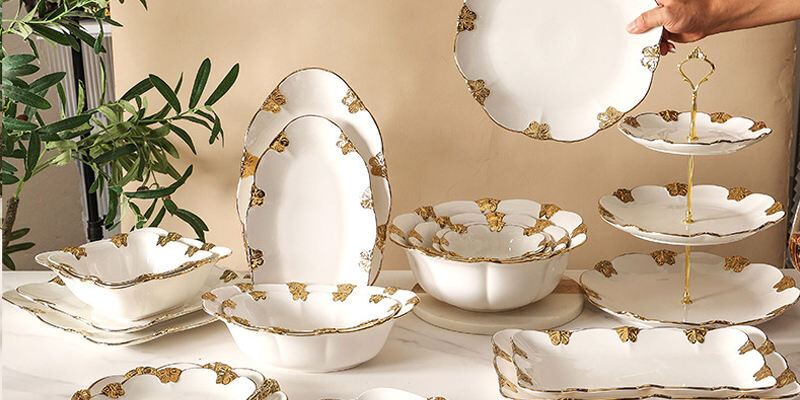
Manufacturers are also introducing bold patterns and elegant minimalist designs tailored for international markets. For example, a Dinnerware set manufacturer may now offer modular collections that combine durability with contemporary aesthetics. This allows hotels and restaurants to update their dining presentation without compromising on practicality.
🏨 Customization and Branding Opportunities
Hospitality groups are investing more in custom designs to align tableware with brand identity. Whether it’s a luxury resort wanting logo-engraved plates or a boutique café requiring exclusive mug designs, manufacturers are offering OEM and ODM services at scale.
Working with a trusted Dinnerware supplier ensures that businesses can access personalized solutions while keeping costs competitive. This partnership model is especially important for hotels and restaurants seeking differentiation in a crowded marketplace.
📦 Logistics and Supply Chain Adaptation
Another key factor in 2025 is supply chain resilience. Manufacturers must streamline production, shorten lead times, and maintain flexible distribution networks to serve international buyers efficiently. Bulk orders are increasingly fulfilled with advanced packaging solutions that reduce breakage and improve sustainability.
With digital procurement platforms becoming mainstream, buyers can directly source from manufacturers with better transparency, making the industry more efficient than ever before.
💡 Conclusion
As hospitality continues to evolve in 2025, dinnerware manufacturers are responding with innovative materials, custom branding services, and supply chain improvements. By focusing on sustainability, design, and customer experience, they ensure that the global dining sector can deliver not just meals, but memorable experiences.